A Simple Way to Create More Usable Space Outside
Paver patio installation is a smart way to make a yard more useful, more comfortable, and easier to enjoy. A well-built patio can give a family a place to relax, eat, and spend time together outdoors. It can also help shape the yard, improve drainage, and create a clean path between parts of the home. In Weymouth, MA, many property owners choose this upgrade because it adds function without making the space hard to care for.
Why This Matters in Weymouth, MA
Outdoor spaces are not all the same from one area to another. Soil, rain, heat, and yard slope can all affect how a patio performs over time. In Weymouth, MA, these local conditions matter because a patio that looks great at first can shift, sink, or hold water if the base work is poor. That is why planning matters just as much as the pavers themselves.
A good patio can turn an empty part of the yard into a real living area. It can be used for a grill, a table, lounge chairs, potted plants, or a fire feature. It can also reduce muddy spots near doors and create a smoother walking surface. These small changes often make outdoor time easier and more fun.
Common Local Issues
Many outdoor surfaces run into the same problems after a season or two. Water may pool in low spots. Pavers may move out of line. Weeds may grow between joints. Edges may spread apart. These issues often start below the surface, not on top.
Some homes have soft soil that shifts after heavy rain. Some yards have slopes that send water toward the house. Other properties have tree roots that lift sections over time. Even strong materials can fail when the site is not prepared the right way. This is true for paver patio installation and many other projects in the same service category.
Local Conditions That Affect Results
Weather plays a big role in patio life. Repeated rain can wash out weak base material. Long dry spells can harden the ground and make settling uneven later. Shade can keep surfaces damp longer, which may lead to moss or slick spots. Full sun can make some areas hotter and more exposed.
Property type matters too. Older homes may have odd grades or narrow side yards that limit access for tools and material. Newer homes may have tighter lot lines and strict neighborhood rules on drainage and layout. A patio near a pool, garden bed, or retaining wall may need extra planning to keep all parts working well together.
Practical Recommendations for Better Outdoor Living
The best patio plans start with how the space will be used. A small sitting area needs less room than a dining space for six people. A grill zone needs safe clearance. A path from the back door to the patio should feel easy and natural. Keeping these daily habits in mind helps the final layout feel useful, not crowded.
It also helps to focus on the base, the slope, and the border. These parts do a lot of the heavy lifting. A strong base supports the pavers. A proper slope guides water away. Good edge restraint helps keep lines neat and stable.
- Choose the main use for the patio before picking shape or size.
- Check sun, shade, and water flow in the yard.
- Pick pavers that fit the home’s style and foot traffic needs.
- Plan enough room for furniture and walking space.
- Use a solid base and correct joint sand for long-term hold.
- Add edging that keeps the patio from spreading over time.
Simple details can make a big difference. For example, a patio placed too close to a fence may feel tight. A dining area without enough room for chairs to pull back may be hard to use. A patio with poor drainage may stay wet after every storm. Good planning helps avoid these common problems.
When Local Residents Should Get Expert Help
Some small outdoor projects can be handled with basic tools, but larger patio work often needs trained help. This is especially true when the yard has a slope, drainage trouble, access limits, or signs of past settling. If the patio will connect to steps, walls, or other hardscape features, the job also becomes more technical.
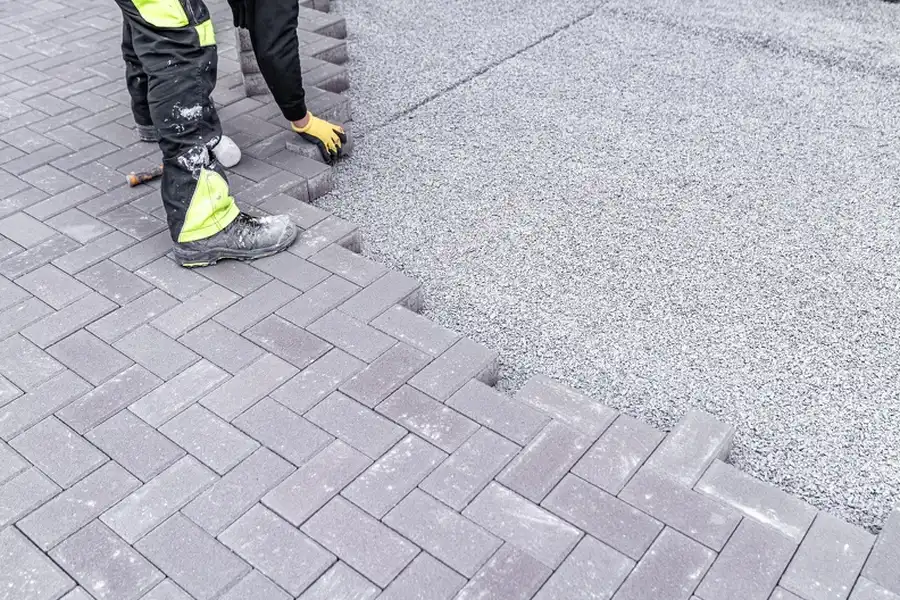
Expert help is also a smart choice when a homeowner wants a clean finish that lasts. A crew can measure grade, prepare the sub-base, set edge restraint, compact materials in layers, and place the pavers evenly. These steps help lower the chance of sinking, movement, or water trouble later. Done right, paver patio installation should feel solid underfoot and fit the yard in a natural way.
- Call for help if water already stands near the house.
- Call for help if the yard has a steep or uneven grade.
- Call for help if roots, utilities, or tight access may affect the build.
- Call for help if you want the patio tied into other outdoor features.
Next Steps for a More Useful Yard
For many homes, a patio is one of the easiest ways to improve daily outdoor life. It creates a place to gather, adds structure to the yard, and can hold up well when built with care. If you want a space that feels simple, sturdy, and easy to enjoy, paver patio installation is often a strong choice.
Get Help Planning the Right Patio
We help property owners across Weymouth, MA build outdoor spaces that fit real day-to-day use. At Lana Landscape Inc., we can talk through layout, drainage, and material options in a simple way. If you want to plan your next patio, call us at (857) 237-2096 and let us help you get started.