Remove Dangerous Trees Before They Harm People, Homes, or Nearby Structures
Unsafe trees can raise the risk of falling limbs, roof damage, blocked driveways, and injuries. A tree removal service helps fix those risks when a tree is dead, weak, leaning, or too close to places people use every day. In many cases, fast action can help protect your home, yard, cars, and family. If you have a tree that looks unstable in Weymouth, MA, it is smart to inspect the problem early and plan the safest next step.
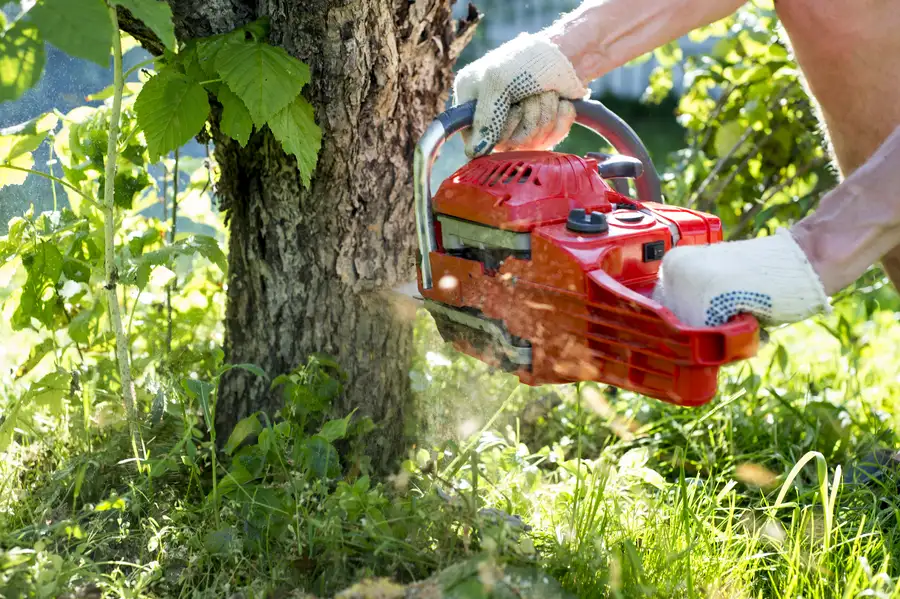
Why Prevention Matters
Property safety often starts with the trees on your lot. A healthy tree can add shade and beauty. A damaged tree can do the opposite. Weak branches may snap during wind or heavy rain. A hollow trunk may fail with little warning. Roots can also affect sidewalks, fences, and parts of a driveway. That is why tree care is not only about looks. It is also about reducing risk before a small issue turns into a big mess.
A tree removal service is often the right step when trimming will not solve the danger. If most of the tree is dead, cracked, diseased, or badly placed, removal may be the safer choice. This kind of work also fits under a service category keyword, especially when a property owner needs a full outdoor safety plan instead of a simple cleanup.
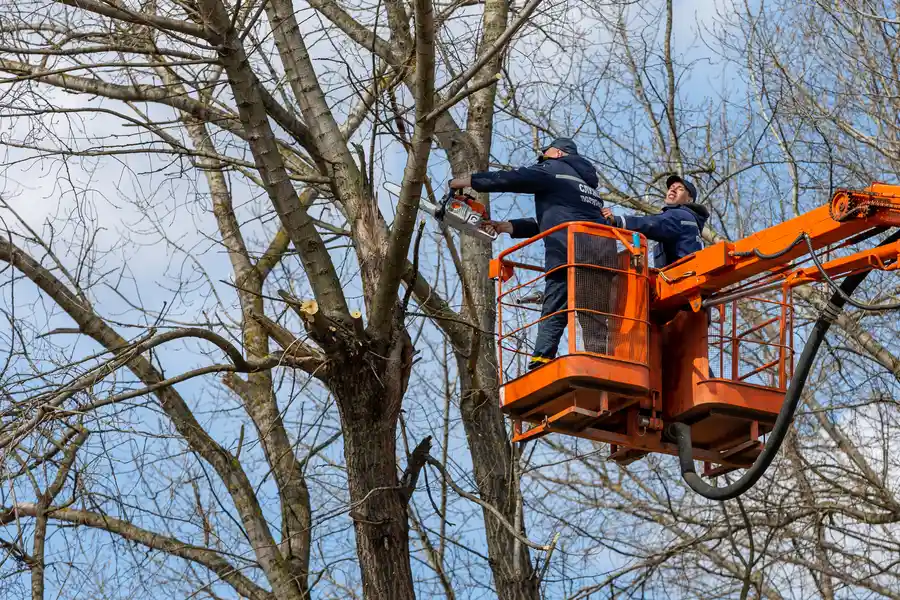
Early Warning Signs
Many tree problems start with signs that are easy to miss. Homeowners often wait until a storm hits or a limb drops. By then, the risk is much higher. It helps to walk your yard and check trees from the ground on a regular basis.
- Large dead branches in the canopy
- Cracks in the trunk or major limbs
- A tree leaning more than before
- Soft, rotted, or hollow wood
- Fungus growing near the base
- Roots lifting from the soil
- Branches touching the roof or power lines
- Leaves missing on one side during growing season
These signs do not always mean full removal is needed, but they do show that the tree needs attention. If the tree sits near a house, garage, play area, or street, waiting can make the risk worse.
Seasonal or Routine Checklist
Regular checks can help you spot danger early. Different times of year bring different problems. Strong summer storms may split limbs. Winter ice can overload branches. Wet soil can weaken root hold after heavy rain. A simple routine can make a big difference.
- Walk the property once each season.
- Look up for hanging or broken limbs.
- Check the trunk for cracks, holes, or rot.
- Watch the ground for root movement or lifted soil.
- Note any branches growing into roofs, fences, or wires.
- Take photos if a tree starts to lean or change fast.
- Set up a professional visit if anything looks unsafe.
This checklist can help you react before damage happens. It is also useful after wind, hail, or long periods of rain. Storms often reveal hidden weakness in older trees.
Best Practices for Long-Term Results
Long-term safety comes from smart tree care and good planning. Not every tree needs removal. Many can stay healthy with basic pruning, better spacing, and routine checks. Still, when a tree has major damage, trying to save it at all costs may not be the right call.
One good practice is to plant trees with enough room from the start. Trees that grow too close to homes, sheds, pools, or utility areas often become future hazards. Another good step is to remove dead or failed trees soon after they are found. This helps stop decay, pests, and falling debris from causing more trouble.
It also helps to think about the whole yard. A crowded lot can cause branches to compete for light and grow in weak patterns. A proper tree removal service can open space, reduce risk, and improve access for future lawn and landscape work.
What Not to Do
There are a few common mistakes that can make tree dangers worse. Many people try to cut large limbs without the right tools or safety gear. Others ignore warning signs because the tree still has green leaves. Some wait too long because they think one more season will be fine. That choice can backfire during the next storm.
Do not climb a damaged tree to inspect it closely. Do not cut heavy limbs over a roof without training. Do not guess about a tree that is near power lines. Do not leave a dead tree standing just because it has not fallen yet. Trees can fail fast, and the fall path is not always easy to predict.
When to Schedule Professional Help
Some tree issues need expert help right away. If a tree is leaning toward a home, split at the trunk, or dropping large limbs, it is time to act. The same is true if roots are lifting, the tree is dead, or branches are over a driveway or play space. These are not jobs for trial and error.
A professional can inspect the tree, judge the level of risk, and explain whether trimming or full removal makes more sense. This matters even more for large trees, tight spaces, and storm-damaged wood. A tree removal service can also help lower the chance of damage during the work itself by using safe methods and the right equipment.
If you are not sure whether a tree is dangerous, that is still a good reason to ask for help. Early action is often simpler than dealing with emergency cleanup after a fall.
Get Help With the Next Step
If you have concerns about a tree on your property, we can help you decide what makes sense for safety and peace of mind. Our team works with property owners across Weymouth, MA to spot risks early and plan safe solutions. At Lana Landscape Inc., we are here to answer questions and help you schedule service when you are ready. Call us at (857) 237-2096 to get started.