A Strong Wall Can Help Hold Soil in Place and Protect Your Yard
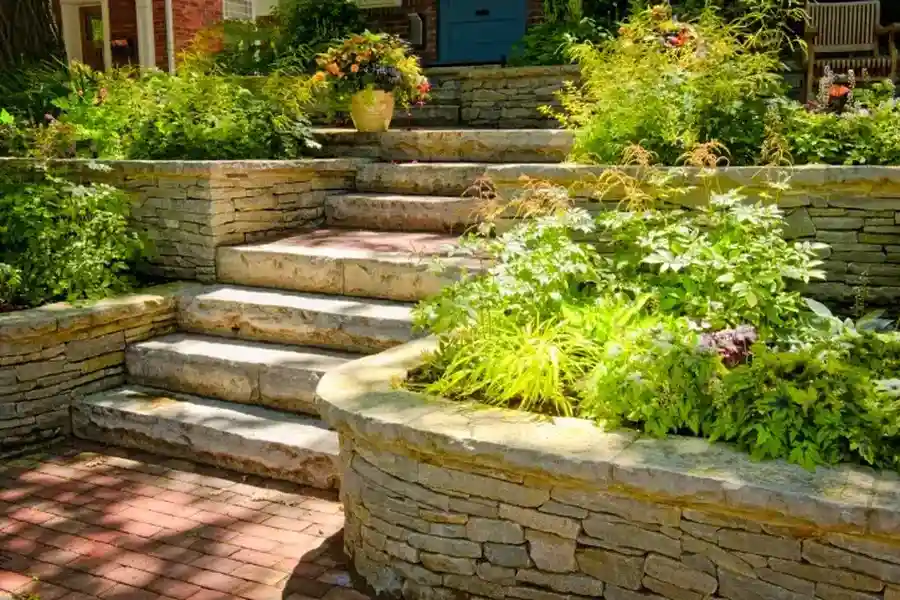
Preventing soil erosion with retaining wall installation starts with one simple goal: keep soil from washing or sliding away. A retaining wall helps support sloped ground, slow water runoff, and protect your yard from damage. In Weymouth, MA, this can be a smart way to protect landscaping, walkways, and the base of your home when rain and slope work against your property.
Why Prevention Matters
Soil erosion may start small, but it can grow fast. A little bare dirt on a hill can turn into deep ruts, muddy runoff, and weak ground near patios or fences. Retaining wall installation helps stop that movement by giving the soil a firm barrier. It can also help direct water away from problem spots. This makes your outdoor space safer, cleaner, and easier to maintain.
Many property owners wait until they see major damage. That can lead to bigger repairs later. A wall built at the right time can protect plants, reduce washout, and support the shape of your yard. It also works well with other landscape features, such as drainage paths, garden beds, and steps.
Early Warning Signs
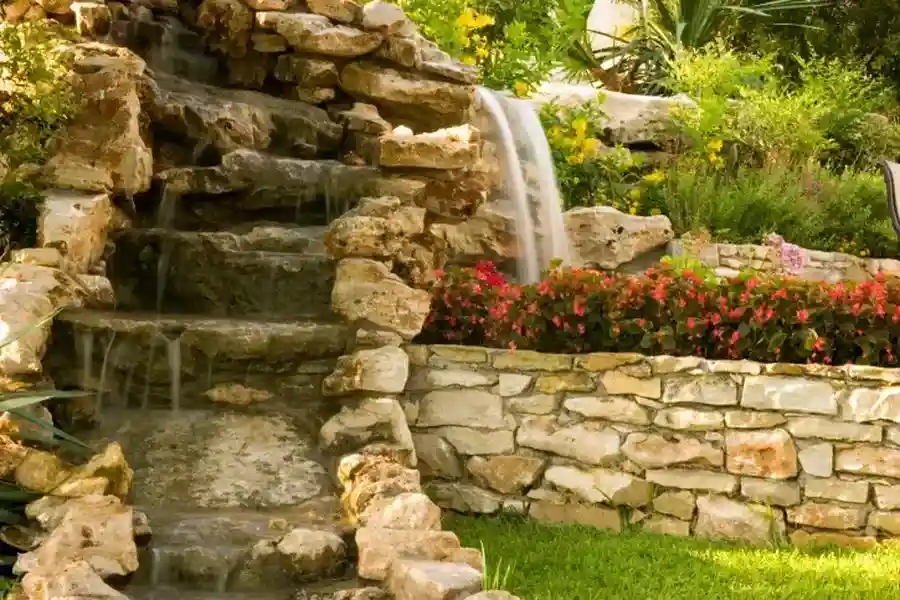
There are often clear signs that erosion is starting. If you catch them early, you may be able to stop the damage before it spreads. Sloped yards are at higher risk, especially after heavy rain or long wet periods.
- Soil collecting at the bottom of a hill
- Exposed roots near trees, shrubs, or flowers
- Small channels cut into the dirt by water
- Mulch washing away after storms
- Cracks or movement near paths and edging
- Pooling water in one area of the yard
If you notice one or more of these signs, the ground may need support. In some cases, a simple grading update helps. In other cases, retaining wall installation is the better fix because it gives the slope lasting structure.
Seasonal or Routine Checklist
Checking your yard through the year can help you spot trouble early. Rain, wind, and watering can all wear soil down over time. A simple routine can help you keep control of the problem.
- Walk the yard after heavy rain and look for loose soil.
- Check slopes for bare patches where grass or plants are thin.
- Look at downspouts and see where the water flows.
- Watch for leaning borders, shifted stones, or sinking spots.
- Clear leaves and debris from drainage areas.
- Check mulch beds and replace material that has washed out.
This kind of routine does not take long, but it can help you act before erosion gets worse. If the same area keeps washing out, the slope may need a stronger support system.
Best Practices for Long-Term Results
The best erosion control plans do more than block soil. They also manage water. A good wall should work with the shape of the land, not fight against it. That means planning for drainage, soil pressure, and the height of the slope.
For lasting results, the wall should be placed where soil movement starts, not just where the mess ends up. The base must be stable. The material should fit the size of the slope. Drainage behind the wall matters too, because trapped water can add pressure and cause failure later.
Other smart steps can help the wall do its job better:
- Use ground cover or plants to hold topsoil
- Add drainage stone behind the wall
- Keep gutters and downspouts moving water away
- Grade nearby soil so water does not collect
- Use materials made for outdoor support and weather
Even if the service category keyword is not provided, the project still needs a full-site view. A wall should match the rest of the yard plan so water and soil move the right way. That is one reason many owners pair retaining wall installation with drainage and grading updates.
What Not to Do
Some quick fixes seem helpful at first, but do not solve the real problem. Stacking loose blocks without a base, adding soil to a failing slope, or sending water toward the same weak area can all make things worse. A wall that looks fine on day one may lean or crack after the next storm if the ground prep was poor.
It also helps to avoid planting large shrubs too close to a weak wall. Their roots can shift material over time. Another mistake is ignoring small runoff paths. Water follows the easiest route, and even a narrow stream can wear away a lot of soil over time.
When to Schedule Professional Help
Some erosion issues are mild, but others need trained help right away. If the slope is steep, the runoff is strong, or the soil is moving near a structure, it is smart to bring in a professional. The same is true if an old wall is bulging, leaning, or cracking.
A professional can check soil pressure, drainage needs, and wall height. That matters because a wall is not just a border. It is a support system. Proper retaining wall installation can help protect driveways, patios, and foundations from damage caused by moving soil and poor drainage.
If you have repeated washout after storms, loose earth near hardscapes, or signs that a slope is no longer stable, it may be time to act. Waiting can lead to larger repairs and more yard damage.
Get the Right Help for a Safer Yard
If your property in Weymouth, MA is showing signs of washout or slope movement, we can help you plan the next step. Contact us at (857) 237-2096 to talk about your yard and erosion concerns. At Lana Landscape Inc., we build solutions that support safer, longer-lasting outdoor spaces.