Smart Ways to Add Support, Shape, and Usable Yard Space
Retaining wall installation can make outdoor areas safer, flatter, and easier to use. It helps hold back soil on slopes, creates level spots for patios or gardens, and can improve drainage when planned the right way. If a yard in Weymouth, MA feels steep, washed out, or hard to enjoy, a well-built wall can turn that space into something useful and easier to maintain.
Quick Answer
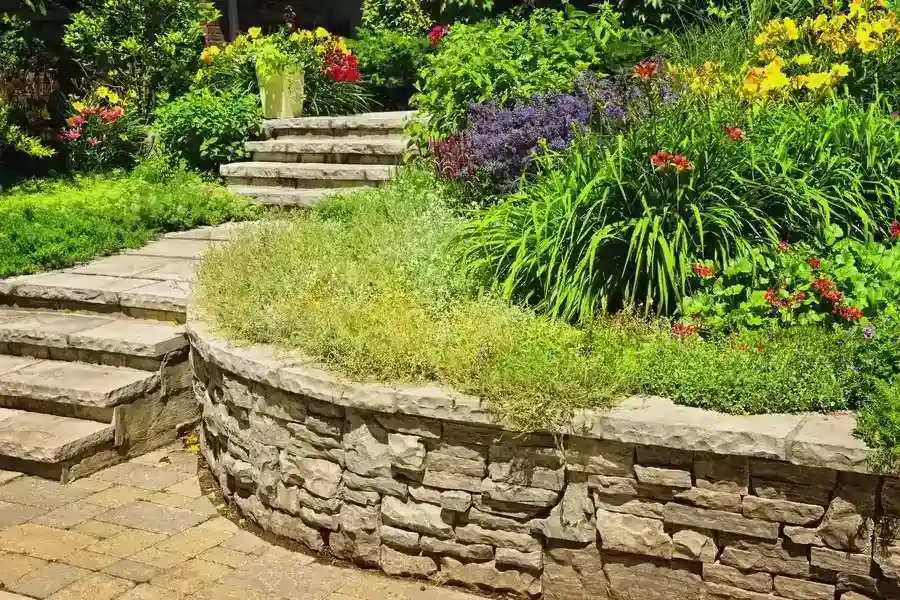
the main goal of retaining wall installation for functional outdoor spaces is to control grade changes and create stable, usable areas. A retaining wall can turn a steep side yard into a garden bed, make room for a play area, or support a patio on uneven ground. Good planning matters because the wall must handle soil pressure, water flow, and the size of the space. This type of exterior project works best when design and drainage are treated as one system.
What You Need Before Starting
before any work begins, it helps to know what the wall needs to do. Some walls are mostly decorative. Others carry a heavy load and protect nearby walkways, driveways, or fences. The location, height, soil type, and water runoff all affect the plan. It also helps to check property lines and local building rules before digging.
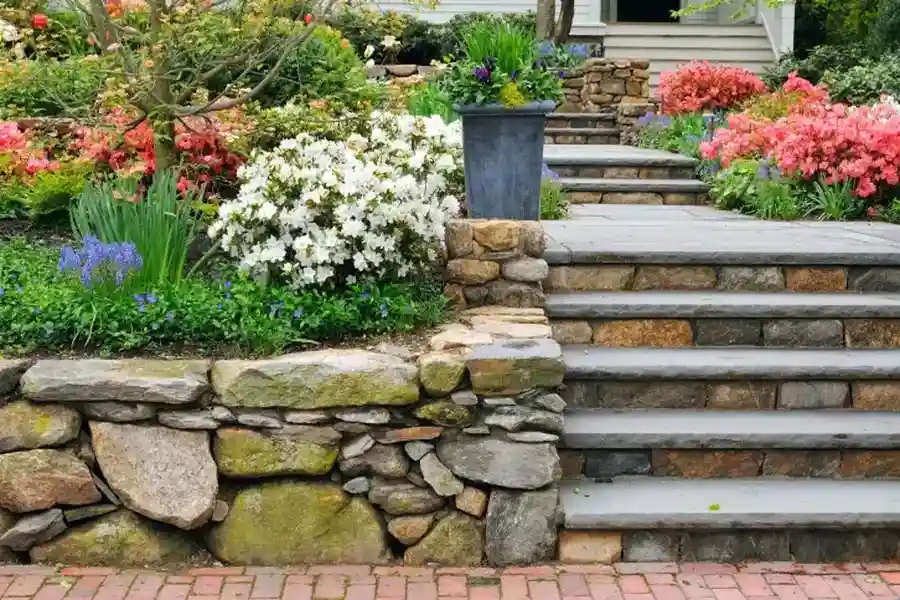
basic planning should include the wall material, base depth, drainage path, and how the finished area will be used. For example, a wall around a flower bed has different needs than one holding back a hill near a patio. A clear purpose helps avoid a wall that looks nice at first but shifts later.
Step-by-Step Process
a simple project flow can help homeowners understand what goes into retaining wall installation. The exact steps may change based on the site, but most jobs follow the same general path.
- check the slope and measure the area.
- mark the wall line and confirm utility locations.
- remove loose soil, grass, and debris.
- dig for a strong base below grade.
- add and compact base material.
- set the first row level from end to end.
- build upward with proper setback if needed.
- place drainage stone behind the wall.
- add drain pipe where the design calls for it.
- backfill in layers and compact as work moves up.
- finish the top and grade the area to move water away.
each step affects the next one. If the base is uneven, the whole wall can lean. If water has nowhere to go, pressure can build up behind the wall. That is why the prep work often matters more than the final cap or face style.
Common Mistakes to Avoid
one common mistake is treating every wall like a small garden border. Functional walls need more than stacked blocks. They need support below ground and room for drainage behind them. Another mistake is building too close to a slope edge without enough base support.
people also run into trouble when they skip compaction. Loose fill settles over time. That can cause dips, cracked caps, or sections that move out of line. Poor water control is another big issue. Downspouts, hard rain, and irrigation can all send extra water toward a wall. If that water gets trapped, the wall may bulge or fail.
- using the wrong block or stone for wall height
- skipping drain stone or pipe
- building on soft or wet soil
- not leveling the first course
- making the wall too tall without added support
When to Call a Professional
small landscape walls may be manageable for some property owners, but many sites need trained help. A taller wall, a wall near a house, or a wall that supports a driveway should not be guessed through. Sloped lots can hide soft spots, runoff paths, and pressure points that are easy to miss. A professional can also spot signs that a drainage plan needs more than gravel alone.
expert help is often a smart move when the yard has erosion, pooling water, or limited access for equipment. The same is true when the design includes steps, lighting, raised planting areas, or multiple terraces. A team can tie these parts together so the yard works as one space instead of a few separate pieces.
Best Uses for Functional Outdoor Spaces
retaining wall installation is not only about holding soil in place. It can help shape how a yard gets used every day. A wall can make room for outdoor dining, define a safer path, or create a flat zone where mowing and upkeep are easier. In many yards, that means less wasted slope and more practical living space.
some useful ways people use these walls include making terraced garden beds, supporting a fire pit area, framing a seating area, or separating lawn from planting zones. On narrow lots, a wall may open up room along the side of a home that was once hard to access. In larger backyards, it can help divide active and quiet spaces in a neat, planned way.
Final Recommendation
the best results come from matching the wall design to the land and the goal for the space. A good wall should do more than look nice. It should manage soil, handle water, and make the yard easier to enjoy. When the plan fits the site, retaining wall installation can add function, safety, and long-term value to the outdoor area.
Get Help With Your Next Project
if you are planning a yard upgrade in Weymouth, MA, we can help you think through the layout, drainage, and best use of space. Lana Landscape Inc. builds retaining walls that are made to support real outdoor living. Call us at (857) 237-2096 to talk about your property and how we can help make the area more useful.